KajoData / Career & business
How I learn with AI and still practise doing the work myself
Choose a goal, attempt the task, ask for a hint and return without help. My approach to learning data analysis while keeping control of the project.
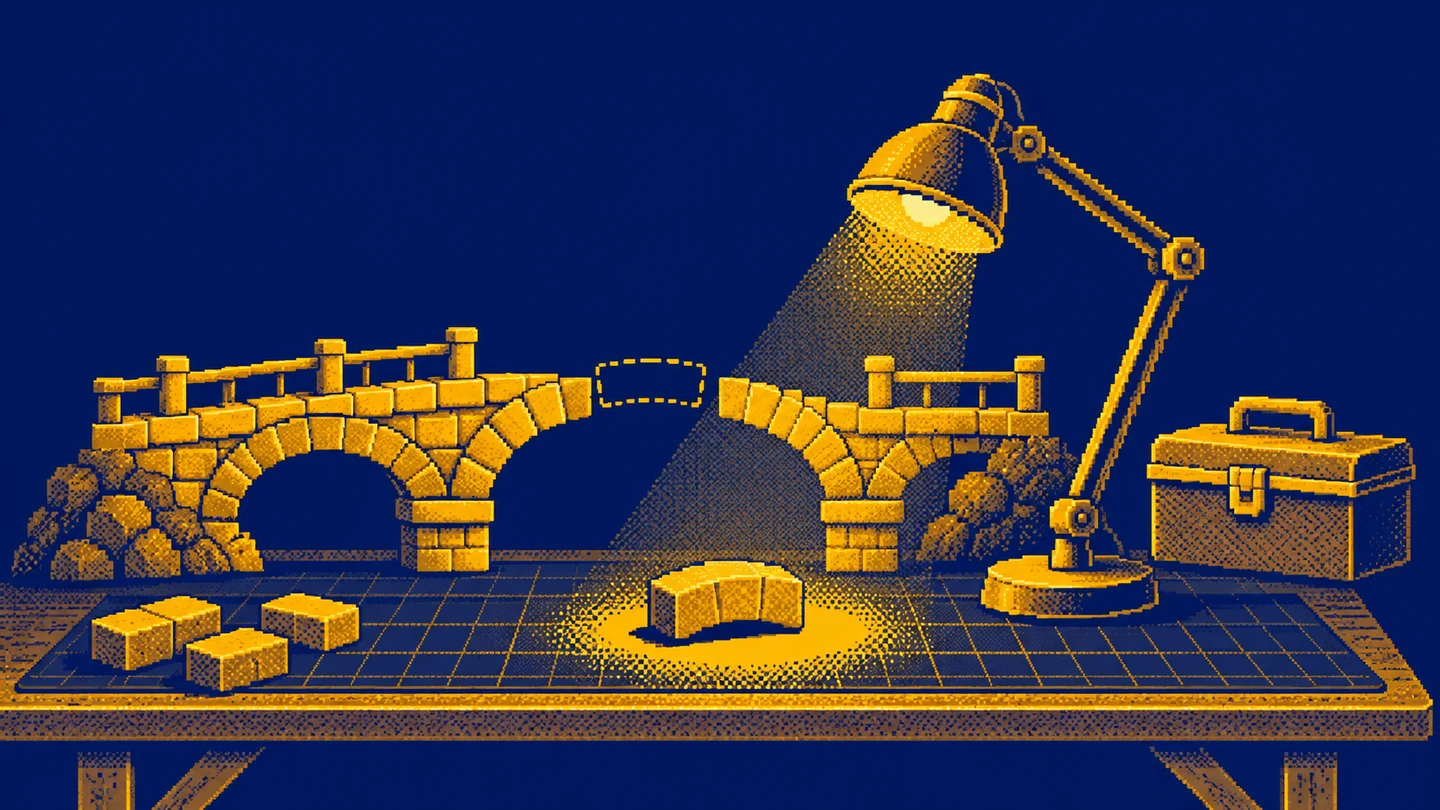
You can finish a project with AI and still be unable to build it yourself. That is the learning trap I care about most: the file works, the chart looks convincing, and once you close the conversation you cannot explain your own solution. What skill did you actually acquire?
At the same time, I have little patience for the idea that learning requires forty-five minutes spent searching for a missing bracket. I want to use current tools and understand my work. My approach has a simple rule: I build, and AI acts as a consultant. The useful part is turning that rule into decisions during a real exercise.
I choose the skill before choosing the assistance
I keep responsibility for the goal. Perhaps I want to improve my SQL because combining data keeps confusing me. Perhaps I work with spreadsheets and reporting and want to start using Python. Or I want to change careers and need a broader learning path. These situations call for different projects and different ways to judge progress.
“Learn data analysis” is too broad for a single study session. I prefer a concrete action: describe the data, define a business question, prepare a small report and explain the result. Then I can see which part needs help. The model should not quietly decide what the whole exercise is supposed to achieve.
I also draft the outline myself. Later, I can ask AI to identify a missing step, question the scope or suggest a smaller task. But I want my own version before reading its proposal. Otherwise, it is easy to accept a plan because it sounds fluent and comes with reassuring headings.
Other people belong in this process too. A community, a course colleague, a forum or a mentor can provide a different perspective. I can show an attempt, hear an awkward question and see how someone else approaches a similar problem. A chatbot need not become my only conversation partner while I learn.
Context is useful when I understand what I put into it
Rather than explaining everything from scratch in every chat, I collect my goal, current level and previous work. In the source video, I suggest using a project as a shared place for the relevant materials. OpenAI describes ChatGPT projects as bringing chats, files and instructions together. Organising those elements does not automatically make an answer useful.
For an imaginary learning project, I might write: I can produce a simple report, I struggle to choose how to combine data, and I want to practise reasoning rather than receive a finished portfolio piece. I would add the task description and my own attempt. This tells the assistant much more than “be my teacher”.
I can compare several versions of that description using the same question. One version might emphasise my current level, another the kind of help I want, and a third both. I then read the responses and ask whether their suggestions address the actual difficulty. This is a practical introduction to managing context.
Length is a poor measure of success here. One short hint that lets me continue may be more useful than a complete lecture. I also note assumptions the model introduced without being told. I discuss the broader organisation of this work in my article on AI context and an analyst’s own skills.
I ask for the next hint
When something fails, the easy move is to paste the code and request a correction. While learning, I take a smaller step. I explain what I tried, what I expected and where the result differs. Then I ask for one hint without the full solution. That leaves the next decision with me.
For example, I could write: “I am practising solving this task myself. Read my attempt first. Point out one thing I should examine. Do not rewrite the whole solution. Wait until I show you another version.” This is a suggested way to conduct the conversation, with no guarantee that the model will always follow it.
After the hint, I return to the work. I try to describe the mistake in my own words and make the change myself. If I still do not understand, I ask for a simpler question or a small counterexample. The sequence matters: my attempt, limited assistance, another attempt. An hour of reading explanations can otherwise pass without a single independent decision.
If AI gives me the entire answer anyway, I pause that interaction. I can try a similar task or put the solution aside and reconstruct the reasoning. Seeing an answer does not ruin the possibility of learning. I simply want to notice when practising has turned into watching someone else’s work.
I distinguish analytical difficulty from setup trouble
In my SQL course, I see frustration around installing a database client or importing data into a table. Someone can get stuck before reaching the analytical question. That distinction matters: the session’s goal might be understanding the data, while the immediate obstacle is preparing the environment. Help with the obstacle can bring the learner back to the intended exercise.
I would not treat administration as a category of work nobody ever needs to understand. If setting up the environment is today’s learning goal, it deserves deliberate practice too. I ask what the session is for. I also want to understand what a tool changed and how to return to the previous state, rather than blindly accepting suggestions.
The same principle applies when an agent works around a local project. I choose the data and sketch the intended result first. I can ask for proposed next steps or an explanation of an error message. If I want to learn how to build a report, immediately requesting the entire report removes the very work I intended to practise.
For an imaginary project comparing months, I would first describe what a row represents, which periods I want to compare and what I do not know about the data. AI could ask about a missing assumption. I would answer before moving on. This small division creates room for reasoning before I even open an editor.
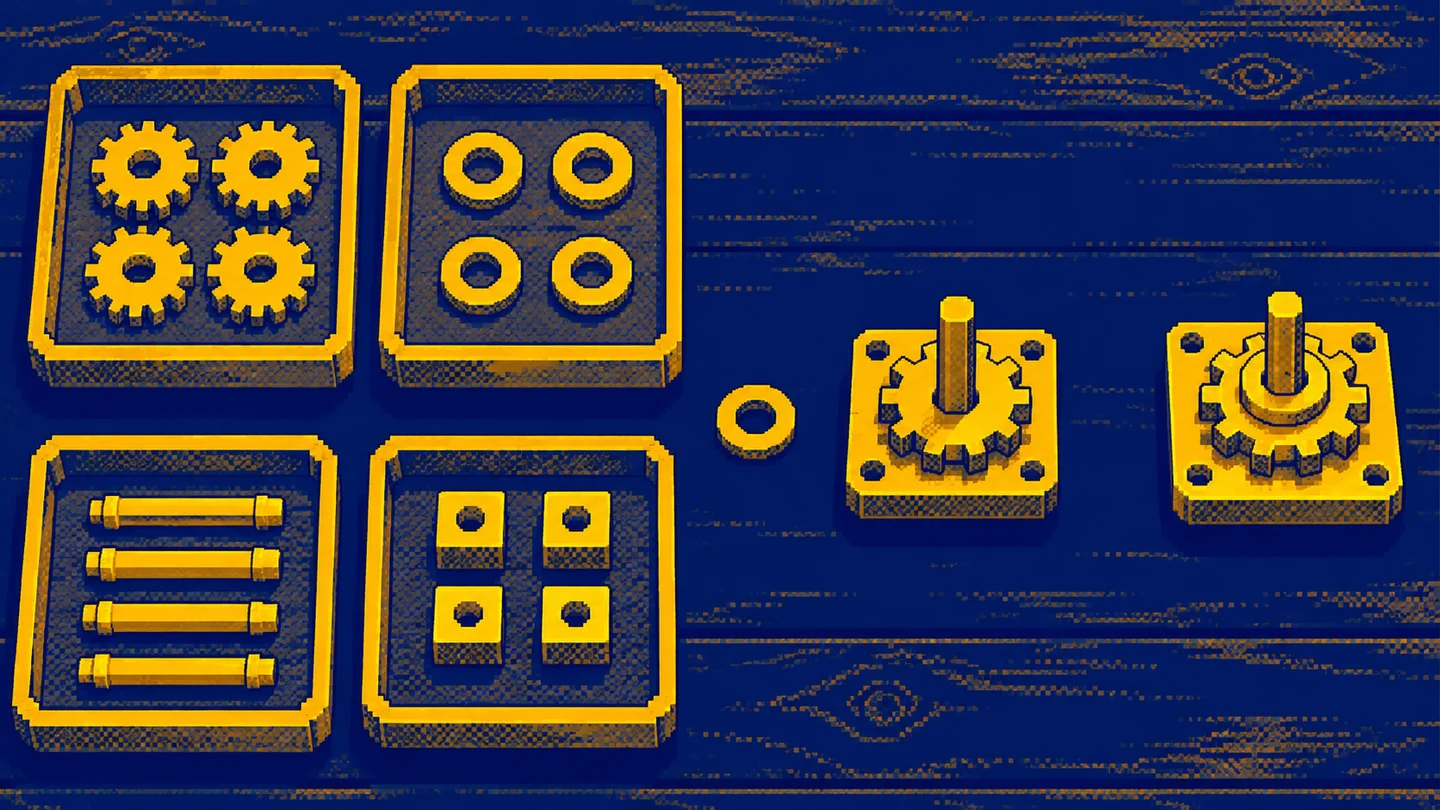
Completing a task and learning a skill need separate checks
Bastani and colleagues found that general AI assistance improved mathematics practice performance but was associated with worse subsequent unassisted performance. A version with educational safeguards reduced that problem.
The setting was school mathematics. I would not automatically extend the result to adults learning SQL. My practical takeaway is to assess assisted performance separately from independent ability.
The tutor also received material prepared by teachers. Simply asking for hints does not reproduce the studied system. Ordinary chat responses still need checking.
After a session, I close the conversation and write my own explanation. What was I trying to establish? Why did I choose this approach? Where could the result mislead me? Later, I can return to a similar problem without looking at the answer. If I need help again, I have identified something specific to practise.
I take one problem into the next session
Start with a task you can explain in a few sentences. Write down the intended result, what you already know and one skill to practise. Make an attempt before opening the chat. Then ask for the smallest amount of assistance that will help you take the next step. There is no need to redesign your entire learning routine at once.
At the end, put the finished file aside and describe what you can now do without the conversation. Perhaps you can recognise a faulty assumption but still need documentation to express the solution. That is useful information. A completed project tells me about the output; this description tells me about the boundaries of my independence.
I want to learn data analysis and working with AI alongside each other: explore the tool, compare ways of providing context and examine its suggestions. Keeping my hands on the wheel means noticing when the consultant has taken over the exercise I meant to do. The next step is an opportunity to make space for my own attempt again.
Key takeaways
Does using AI while learning always cause harm?
The evidence does not support such a broad claim. How you use it matters; I distinguish help with a difficulty from handing over the entire exercise.
What should I ask AI when I get stuck?
Show your attempt, describe the expected result and request one hint without the full solution. Then take the next step yourself.
How do I check whether I actually learned something?
I return to a similar task without the chat answer. I try to explain the assumptions, do the work and describe its limitations in my own words.
AI was used in an automated way while working on this article. If you want to learn how to do it too, check out this project.